EMDR‐PRECI: Short‐Term Support forFirst Responders After a Critical Incident
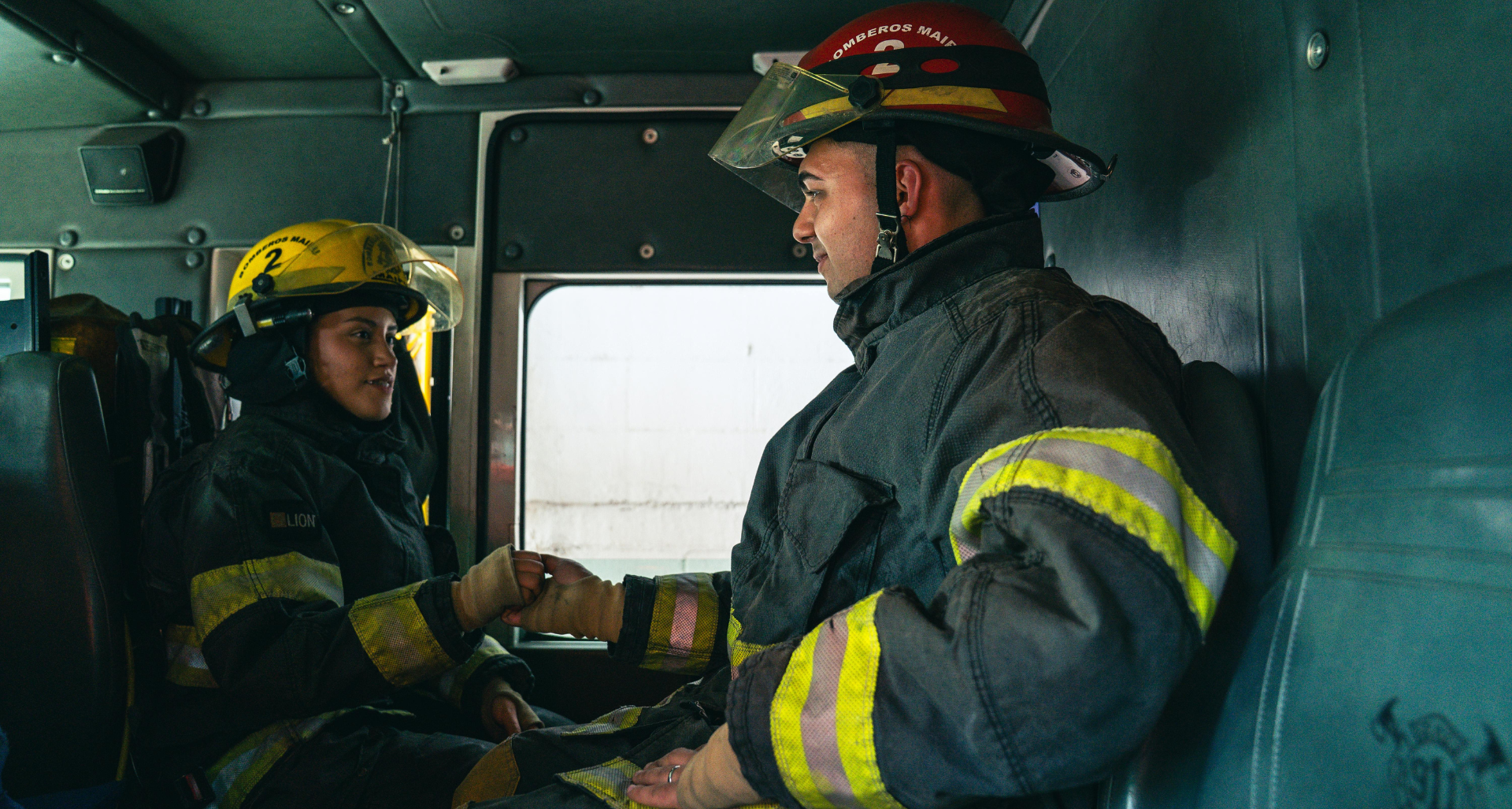
Some calls stay with you longer than others. You can be five years in or twenty‐five years in, and still have one incident that sits differently than the rest. Maybe it’s the smell that brings you right back. Maybe it’s the trouble sleeping, the replay of the scene at 3 a.m., or the way you snap at your family over something small. You know exactly which call it was. And knowing where it comes from hasn’t made it go away. If this sounds familiar, you’re not broken, and you’re not alone. This is a normal response to an abnormal event — and there is a short‐term, targeted treatment built specifically for moments like this: EMDR‐PRECI.
What Is EMDR‑PRECI?
EMDR (Eye Movement Desensitization and Reprocessing) is a well‑established therapy for trauma. EMDR‑PRECI — the EMDR Protocol for Recent Critical Incidents — is a specialized version designed for people who are still close to a hard event or still in the thick of it, without time or space to recover before the next call comes in. It was built with first responders in mind: professionals who don’t get the luxury of stepping away long enough for a bad memory to fade on its own. Most therapy assumes you have distance from what happened. EMDR‑PRECI doesn’t make that assumption. Unlike traditional talk therapy, it doesn’t require you to narrate every detail of the incident out loud. Instead, it uses bilateral stimulation — guided eye movements, taps, or tones — while you briefly bring the memory to mind. Think of it less like reliving the moment and more like helping your brain finish a filing job it never got to complete. The memory shifts from “constant replay” into “something that happened,” so it stops hijacking your nervous system every time it comes up. And here’s the part most people don’t expect: EMDR‑PRECI is intentionally short‑term. Many clients experience meaningful relief in just a few sessions.
Why It Matters for First Responders
Critical incident stress isn’t a sign of weakness. It’s your nervous system doing exactly what it’s built to do in response to something extreme. But without support, that stress response can settle in and become chronic. EMDR‑PRECI exists to intervene early — and efficiently — before that happens. This protocol wasn’t created in a lab and then applied to first responders later. It was born out of real disaster response work: deadly factory explosions, mass‑casualty recovery operations, communities living through repeated earthquake aftershocks. In each case, people were still in the middle of an unfolding crisis, not looking back on it from a safe distance — and the treatment still helped. Across multiple studies, symptoms decreased after just one to three sessions, and the improvements held for months, even while difficult circumstances continued around them. More importantly for you: EMDR‑PRECI has been tested directly with active‑duty first responders. In one study, participants received two short sessions. Compared to those who received no treatment, the EMDR‑PRECI group saw a significant drop in work‑related PTSD symptoms — and those gains were still strong three months later. This wasn’t a subtle effect. It was one of the most notable improvements researchers have seen from a brief intervention. The takeaway: this is not long‑term therapy. It’s a focused, rapid‑relief protocol built for the exact kind of recent, on‑the‑job trauma you may be carrying right now.
What EMDR‑PRECI
Can Help With You might be a good fit for this work if you:
● Recent critical incident that still feels raw or close to the surface
● Intrusive images, nightmares, or flashbacks tied to a specific call
● Triggers connected to the event — a smell, sound, or location
● Feeling more on edge, irritable, or reactive since the incident
● Hesitation about traditional talk therapy because you don’t want months or years of rehashing details
You don’t need a formal PTSD diagnosis to benefit. If a call is affecting how you sleep, how you show up for your crew, or how you show up at home, that’s reason enough to explore this.
What to Expect
EMDR‑PRECI follows a clear, predictable structure. There’s no guesswork about where things are headed. Your clinician will start by getting a clear picture of what happened and making sure you have grounding tools in place before approaching the memory itself. From there, you’ll briefly bring the incident to mind while doing bilateral stimulation — and your brain does the rest. Bilateral stimulation simply means anything that alternates left‑right, left‑right while you think about the memory. This can be:
● Eye movements following a finger, light, or dot
● Light alternating taps on your hands or knees
● Alternating tones through headphones
It’s simple, almost mechanical, and it’s part of why you don’t have to talk through every detail of the incident. Most people notice a real shift in how the memory feels after just one or two sessions — a much shorter timeline than most expect from therapy. You stay in control of the pace the entire time. This isn’t about reliving the incident or being pushed anywhere you’re not ready to go.
You Don’t Have to Carry This Alone
Your work asks a lot of you. It’s reasonable that some of what you’ve seen and experienced would leave a mark. EMDR‑PRECI offers a way to address that mark early and directly — so it doesn’t quietly shape the rest of your career or your life at home. If a recent incident is still sitting with you, reaching out is a sign of good judgment, not weakness. Get in touch to schedule a consultation and explore whether EMDR‑PRECI is the right fit for what you’re carrying.